Dating has evolved dramatically over the past few decades. What once relied on face-to-face introductions, family connections, and social gatherings has now shifted toward apps, social media, and instant messaging. While the goal remains the same — finding companionship and meaningful relationships — the journey looks very different today. Understanding the differences between dating in the digital age and traditional times helps us see how technology has reshaped romance, expectations, and communication.
🕰️ Traditional Dating: Simplicity and Social Circles

In traditional times, dating was often rooted in community and personal interaction. People typically met through:
-
Family or mutual friends
-
School or workplace
-
Community events or social gatherings
Communication was slower and more intentional — phone calls, handwritten letters, and in-person conversations were the norm. This slower pace often allowed relationships to develop gradually, fostering deeper emotional bonds before commitment.
Key characteristics of traditional dating:
-
Strong social involvement
-
Clear expectations about commitment
-
Limited options but deeper focus
-
More privacy and less digital influence
🌐 Digital Age Dating: Convenience and Choice
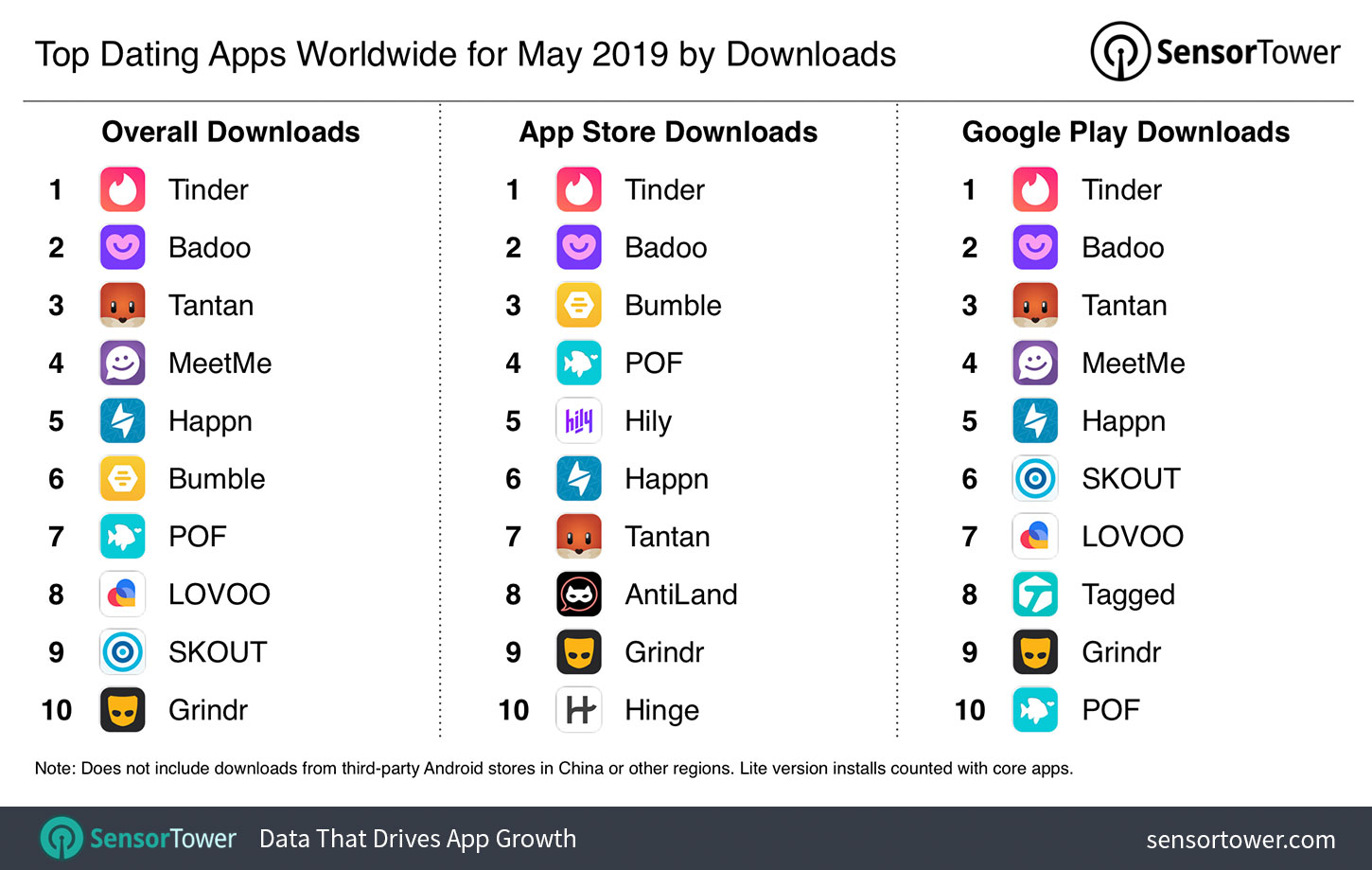
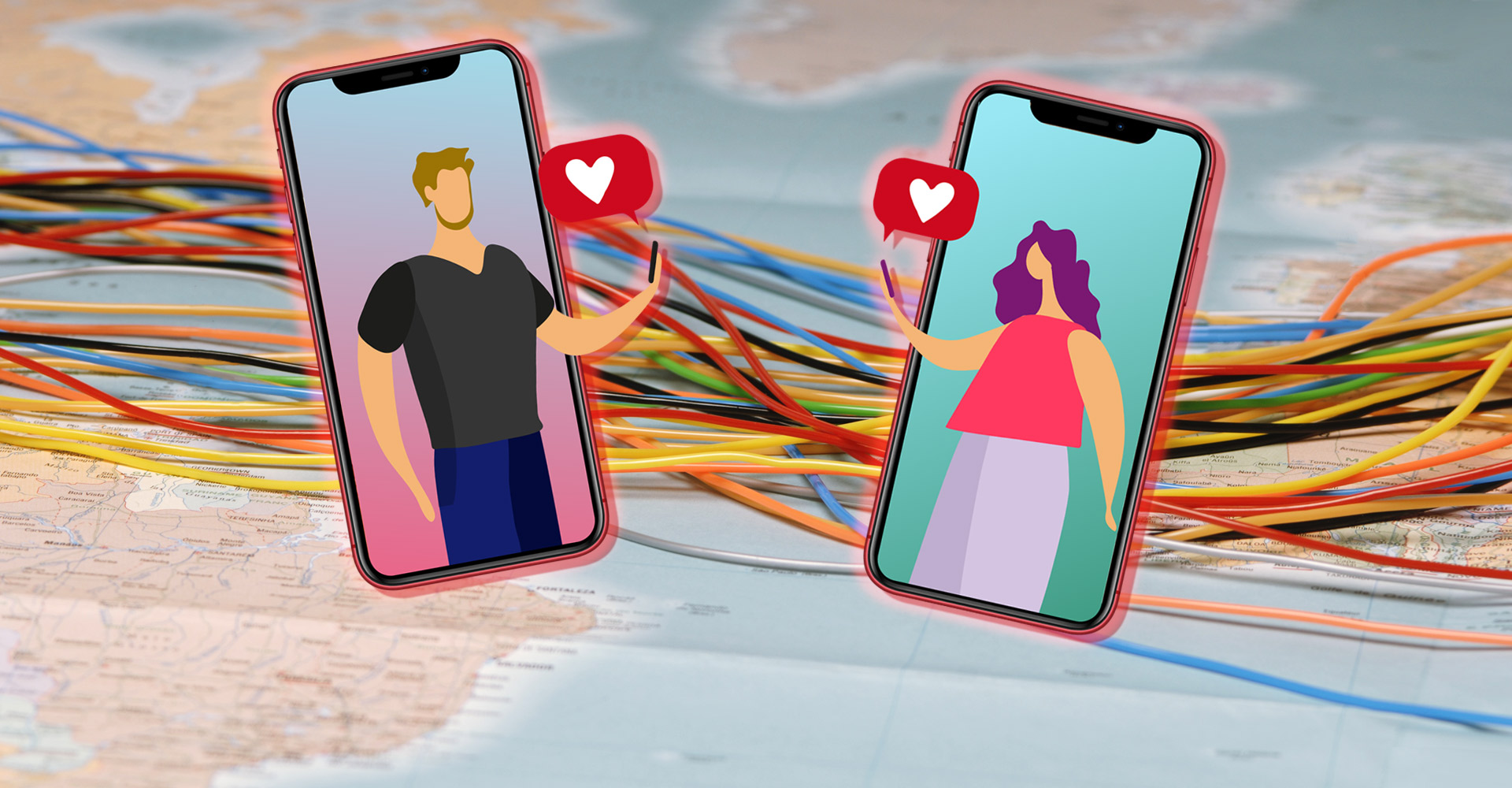
Today, dating is largely driven by technology. Dating apps and social platforms allow people to connect instantly with potential partners from different cities or even countries. Features like matching algorithms, profile filters, and real-time messaging have made the process faster and more accessible.
Key characteristics of digital dating:
-
Large pool of potential partners
-
Quick communication and instant matches
-
Greater flexibility and independence
-
More casual and exploratory approach
While this convenience offers opportunities, it can also lead to decision fatigue and a more superficial focus on profiles rather than deeper compatibility.
⚖️ Key Differences Between the Two Eras
| Aspect | Traditional Dating | Digital Age Dating |
|---|---|---|
| How People Meet | Social circles & community | Apps & online platforms |
| Communication | Letters, calls, in person | Texts, video calls, DMs |
| Pace | Slower and gradual | Fast and immediate |
| Choices | Limited | Almost unlimited |
| Focus | Long-term commitment | Mix of casual & serious |
❤️ Pros and Cons of Each Approach
Traditional Dating Advantages
-
Deeper emotional connections
-
More authenticity and effort
-
Stronger social support
Traditional Dating Challenges
-
Limited options
-
Social pressure
-
Slower process
Digital Dating Advantages
-
Convenience and accessibility
-
Greater diversity of partners
-
Easier communication
Digital Dating Challenges
-
Superficial judgments
-
Ghosting and miscommunication
-
Choice overload
🔮 The Future: A Blend of Both Worlds
The future of dating will likely combine the strengths of both approaches. While technology will continue to play a major role, many people are rediscovering the value of authenticity, patience, and meaningful interaction. Hybrid dating — meeting online but building connections offline — is becoming the new norm.
✅ Conclusion
Dating in the digital age and traditional times each offer unique experiences. Traditional dating emphasizes depth, patience, and social connection, while digital dating provides speed, convenience, and wider opportunities.
Ultimately, successful relationships depend not on the method of meeting but on communication, trust, and shared values. As society evolves, the best approach may be to embrace technology while keeping the timeless principles of genuine connection alive.